
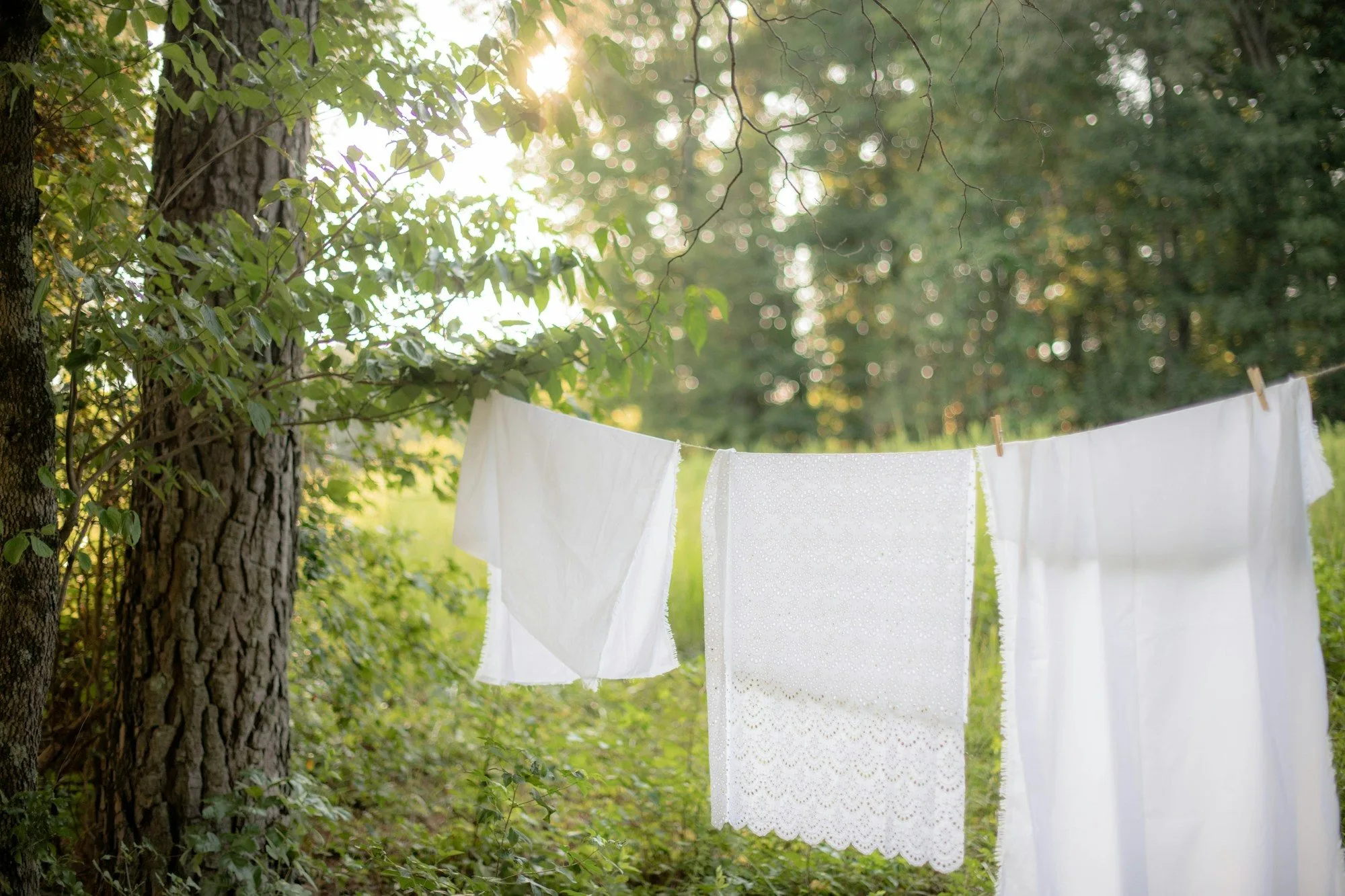
I’ve not had a clothes dryer for at least 15 years and even when I did, I rarely used it. Growing up in the 1970s, they never were a thing so I’ve got used to natural drying.
As the UK weather turns warmer, drying your clothes outside seems an even better idea now.
And, in recent years, I’ve been looking at more environmentally friendly ways to do it.
So, no I’m not going to be recommending running dehumidifiers for many hours to help dry them.
During the wetter months, they do end up inside, which is not great for humidity, unless you have your house well-ventilated. If nothing else, it helps promotes exactly that. But, even then, there are better, mechanical means, to get your clothes dryer.
Spin, baby spin
If you’ve been to a swimming pool recently you’ll possibly have come across some kind of small, wall mounted, swimwear dryer. These are modern versions of an old method of drying – gravity drying. It’s a vertically mounted drum, you push clothes in the top, and it then spins them at high speed, forcing the water out of holes in the edge of the drum. A spout on the front ejects the water, which you then collect in a bowl, or something. It’s like the equivalent of the fairground “gravity ride”, where people found themselves stuck to the inside wall of a spinning drum.
A front-loaded washing machine has issues with weight. Because of the way the drum is mounted, if the clothes inside are unevenly distributed, the washing machine may abort spinning, to save itself from damage. This may not happen intentionally, but may happen if the contents clump together when getting wet – towels have a nasty tendency to do this. As a result, I often come to a towel wash and find them very wet, as the spin hasn’t completed.
I also have a bath mat, designed to soak up water, which, even after a spin, usually remains sopping.
In these cases, I stick them in my own gravity dryer. They don’t use much electricity and are usually made of steel, with a limited amount of plastic.
There used to be quite a few on the market, including UK brands, only 10 years ago, but many have disappeared now. Argos no longer sell them, but you can pick then up from Amazon. I have a Umelome model.
After that, the clothes are put on airers (look for wooden ones, rather than those made from plastic) or hung on clothes hangers (again, “wood is good”). Make sure the clothes are kept away from each other, as much as possible, and walls, for those hanging up.
Brabantia sell a retractable indoor clothes line which is great for bathrooms.
Outside – Line vs Rotary
For those with limited space outside, a rotary washing line is the option. However, they do keep the clothes very close to each other, preventing easy drying.
If you can, use a washing line. I have the advantage of a long back garden, which helps. My line is stretched between a galvonised hook that’s on the house and a pole that’s at the other end of the garden (something like this one – the various horizontal hooks at the top are useful for winding the line around, particularly when you need to tighten it up later). This allows everything to be well spaced out, with the air (and, better still, wind) getting to the clothes easily, without other clothes, in front and behind, blocking it.
For the line itself, most people buy the plastic-coated metal thread type. It doesn’t sag and lasts some time but, yeah, it is mainly plastic. Also, if that plastic wears or becomes pierced, the wet can get to the metal core, where it can start to rust – it’s likely water will spread down the line too. Liquid rust will then come out of any splits. This was the reason why I had to change the last one of these that I had.
But there is an alternative. It doesn’t rust and it doesn’t use plastic.
Cotton.
You can buy cotton washing lines for less than their plastic equivalents. The one down side is that, without that metal core, they can stretch in use. For me, this just means wrapping one end of the line another time around the pole at the end, to tighten it all up again. They also have another advantage in that they are “grippier” than rounded plastic.
Getting pegged
When you’re hanging washing outside then you’ll need some pegs to keep the clothes on the line. The most popular are plastic ones, which claim to have the advantage of not making your clothes. They have soft rubber tips which gently grip your clothes. But, when I’ve used them, I’ve found this works against them – one strong blow of wind and they can no longer holds your clothes, and you find them in next door’s garden.
Old-fashioned wooden clothes pegs can still be bought, at usually cheaper than their plastic equivalent, and grip much more strongly. Yes, if placed wrong, they can leave a small crimp but it’s more than liveable with, and it quickly drops out. I suspect the whole “leaving a mark” was an inflated claim made by “Big Peg™”, to get you to buy their cheaper to make and more expensive to buy equivalent 😉
Wooden pegs are often cheaply made but can be put back together yourself if they fall apart. The wood doesn’t wear in the same way that plastic may become brittle and crack.
Keeping it up
You have your clothes pegged onto the line but if it’s anything more than a short run of line, the weight of clothes will make it sag. On top of that, you want to make sure that larger items, such as a duvet cover, are well off the ground. This is where a prop comes in.
Search any popular retailer, though, and you’ll find variations of the same type – a metal, telescopic pole.
Now, they may tell you how good they are outside but having used them for many years, I’m here to puncture that suggestion. However well galvanised, or whatever else, the outside is, the whole point of a telescoping pole means exposing a bare metal interior when you open it up. That needs to slide, so it needs oiling. Oil which is then close to your clothes. On top of that, if it rains, there’s a good chance that the interior part will rust.
And that was my issue – the pole rusted, was oily, and regularly ended up spoiling the clothes. Unlike the other drying items mentioned here, at least it’s not made of plastic.
So, like the pegs, I think back to how my grandmother did the drying. And she had a wooden clothes prop. It’s not extendable, but most people don’t need one that is – you don’t need your washing to be at a very specific height, just supported and higher.
I’ve had a British, hand-made, wooden clothes prop for the last 11 years and it’s still going strong. It doesn’t rust and it doesn’t need oiling. Sadly, the company that made mine is no longer trading, but there are plenty of other options on eBay or Etsy. Unlike my other recommendations, this one costs more – twice the price, usually, that a metal model. But, in my experience, it’s likely to last more than twice as long.
So, to quickly summarise. What we now have is a cheap-to-run, metal, spin dryer, wooden indoor airers and wooden pegs and prop, along with a natural cotton line. And everything here, other than the prop, is the same price or cheaper than their modern equivalent. Yet, all the things listed here were used by your grandparents for decades, quite successfully. The so-called advantages of the modern products, as I’ve mentioned throughout, don’t hold water most of the time, and it feels like we’ve been brain-washed to use environmentally unsound, modern products, for reasons that we’ve not really checked on.
Of course, it would be a failing for me to say to chuck out those plastic products now and replace them, because that doesn’t help. Continue to use them and consider one of my recommendations once they do actually need replacement.
 Share this post on social media.
Leave a Reply